Find the right product. Start with the right supplier.
Greenwire helps you source products in China: we clarify your brief, identify potential manufacturers and help you evaluate the options.
You can contact us before you have selected a factory or finalized your specifications. Solar and renewable energy equipment are our core specialties; other product enquiries are welcome.
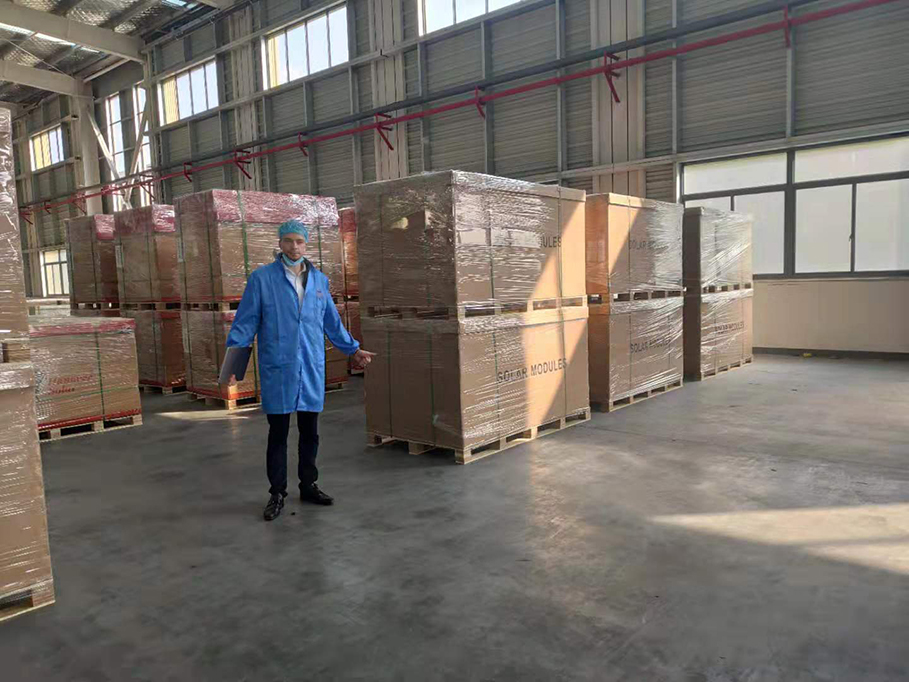
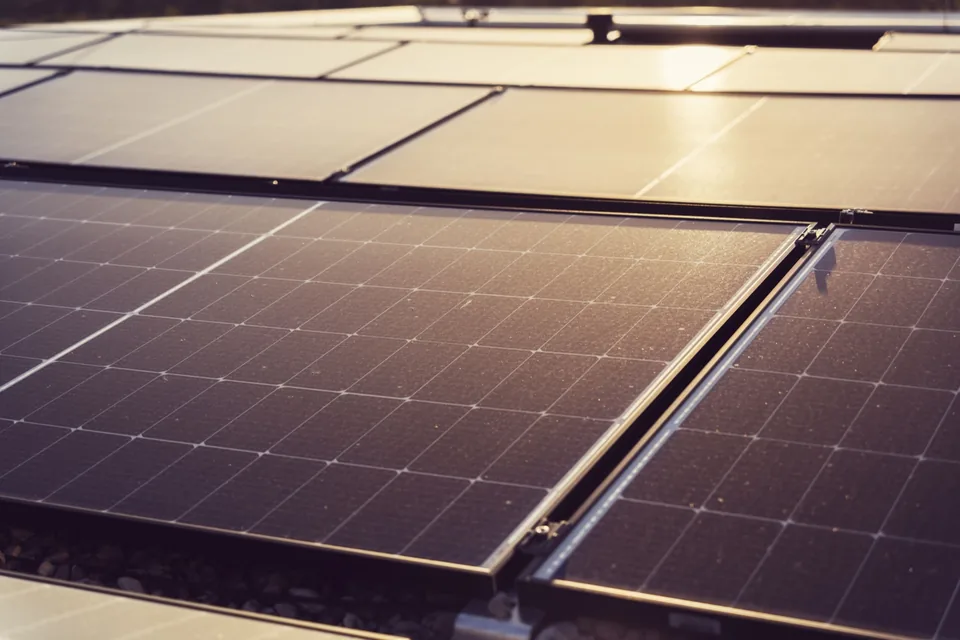
Solar modules for residential rooftops, commercial installations and ground-mounted projects. We help you compare manufacturers around the module format, electrical characteristics and documentation your project needs.
How Greenwire helps you source this product
We help identify manufacturers around your module format, power range and destination requirements. We can request datasheets, relevant test documentation and quotations, then help you compare the options and traceability information before you choose a supplier.
Configurations to consider
Monofacial modules
Front-side generation for a wide range of rooftop and ground-mounted installations.
Bifacial modules
Modules that can also collect light from the rear; suitability depends on the installation and surrounding surfaces.
Full-black modules
A consistent dark appearance for projects where roof aesthetics are important.
Lightweight & special formats
Options for space or weight constraints, subject to the mounting method and project requirements.
Before you compare suppliers
Understand the product. Make a clearer choice.
How do you choose solar panels for a project?
Choose photovoltaic modules by installation area, electrical compatibility and expected operating conditions, rather than rated wattage alone. A higher-wattage panel may also be larger: check its dimensions and weight against the usable roof area and mounting design. Monofacial and bifacial describe how a module collects light; full-black describes its appearance, so these categories can overlap.
When are bifacial solar modules useful?
Bifacial modules can generate electricity from light reaching both their front and rear surfaces. The additional contribution depends on rear-side exposure, surrounding surfaces, shading and the mounting arrangement. Compare proposed modules using assumptions that reflect the actual site; a bifacial label is not a promise of a fixed energy gain.
What should a solar panel quotation include?
A useful quotation identifies the exact module model, dimensions, electrical datasheet, construction and warranty terms. The proposed voltage and current characteristics must be checked against the inverter and string design. For sourcing, the destination, order quantity and delivery target help define the enquiry; model-specific documentation and agreed inspection criteria make competing offers easier to compare.
Let’s find the right suppliers.
Share your project with our team in China. You do not need a finished specification to start.
Battery energy storage for homes, commercial sites and larger energy projects. Start with the job the system must do; we help you define the configuration and identify manufacturers to approach.
How Greenwire helps you source this product
We help define the scope to source: battery modules, a storage cabinet or a complete system with power conversion and controls. We approach potential manufacturers against your application, capacity and power requirements, and help you compare system boundaries, documentation, warranty terms and integration responsibilities.
Configurations to consider
Residential storage
Battery systems for household solar self-consumption and compatible backup configurations.
Commercial & industrial cabinets
Cabinet systems for business sites, with controls suited to the intended operating strategy.
Containerized systems
Larger battery systems for project-scale storage and integration.
Battery racks & modules
Battery components for buyers who already have an integration plan.
Before you compare suppliers
Understand the product. Make a clearer choice.
What is the difference between kW and kWh in battery storage?
Battery power, measured in kilowatts (kW), describes the rate at which a system can supply energy. Capacity, measured in kilowatt-hours (kWh), describes an amount of energy. A sourcing brief needs both: the loads to support determine the power requirement, while the operating duration helps determine the energy requirement. Actual usable energy and output depend on the selected system and its operating limits.
How do you choose the right BESS configuration?
Start with the intended use: solar self-consumption, backup or managing site demand. A residential battery, commercial cabinet and containerized system serve different scales of project. Define the connection to existing solar, inverters and controls, as well as indoor or outdoor placement. Backup capability should be confirmed explicitly, including which loads remain supplied and what additional equipment is required.
What should you compare between battery storage suppliers?
Compare a defined system scope, including batteries, power conversion, controls and any installation or commissioning responsibilities. Ask for usable capacity, power limits, thermal-management information and the conditions attached to performance and warranty claims. A similar cabinet size or headline capacity does not establish equivalent functionality. Greenwire can help turn the application, site information and delivery schedule into a consistent supplier enquiry.
Let’s find the right suppliers.
Share your project with our team in China. You do not need a finished specification to start.
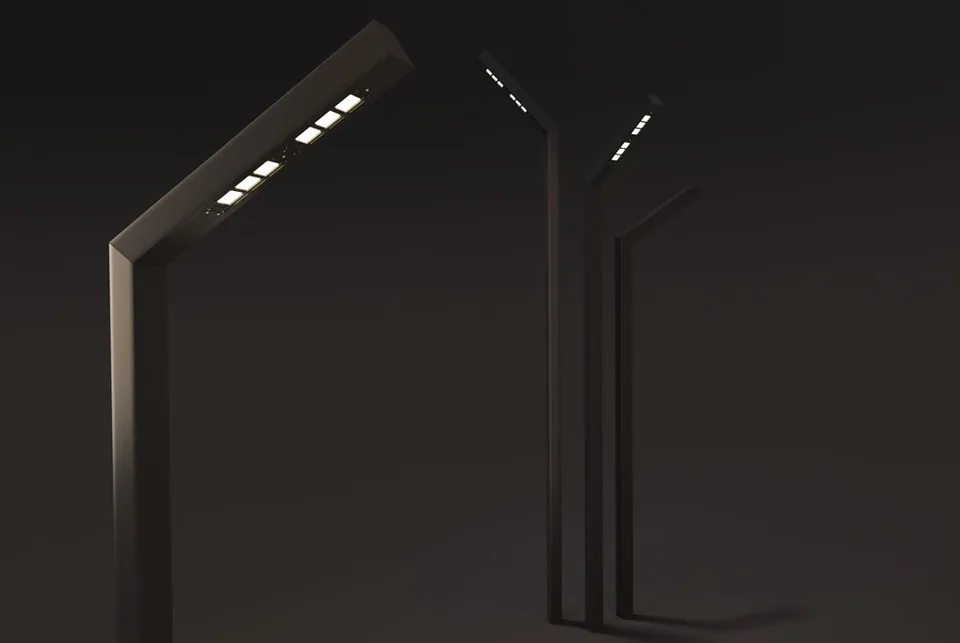
Solar lighting for roads, paths, public spaces and standalone sites. We help you source around the required light distribution, installation conditions and night-time operating schedule.
How Greenwire helps you source this product
We help turn your lighting application, operating hours and installation conditions into a supplier brief. We can compare manufacturers around the light output, battery and solar-panel configuration, mounting arrangement and maintenance needs, so that quotations cover the same requirement.
Configurations to consider
All-in-one street lights
Panel, battery and lighting components combined in an integrated luminaire.
Split solar street lights
Separate components where panel positioning or battery sizing needs more flexibility.
Garden & pathway lights
Lighting for pedestrian routes, landscaped areas and public spaces.
Solar floodlights
Directional lighting for signs, entrances and other targeted areas.
Before you compare suppliers
Understand the product. Make a clearer choice.
How do you choose solar street lights?
Solar street lights should be selected for the area they illuminate and the energy available at the site. The road width, pole height and spacing affect the required light distribution. Compare light output and beam characteristics alongside the panel, battery and operating schedule. A high advertised wattage alone does not demonstrate that a light will provide the coverage or night-time operation your project needs.
What is the difference between integrated and split solar lights?
All-in-one solar lights combine the main components in a compact luminaire. Split systems separate components, which can provide more flexibility for panel positioning and system configuration. For either format, consider shading, access for maintenance and the direction of both the solar panel and the light. The best configuration depends on the installation rather than appearance alone.
What determines how long a solar light stays on?
Nightly operating time depends on stored energy, energy use and solar charging conditions. Dimming schedules and motion controls can reduce demand, but the expected brightness at each stage should be stated. Before comparing suppliers, define the location, nightly schedule and expected operation during cloudy periods. Ask each supplier to explain the assumptions behind its autonomy claim and the conditions under which that claim applies.
Let’s find the right suppliers.
Share your project with our team in China. You do not need a finished specification to start.
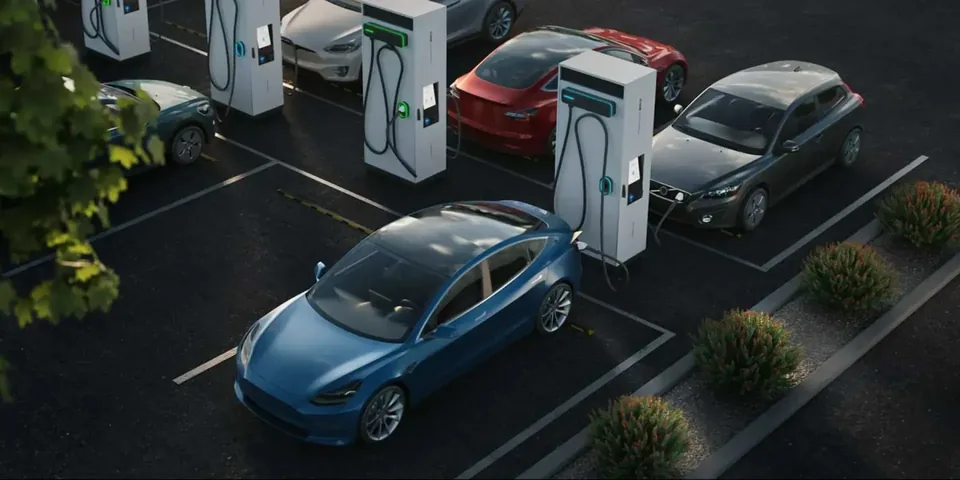
Charging equipment for homes, workplaces, destinations and commercial charging sites. We help you identify the charger format and operating features that fit your users and electrical supply.
How Greenwire helps you source this product
We help identify manufacturers for your charging power, connector, site and operating model. We can request information on software integration, payment options and destination-market documentation, then help you compare the equipment scope, technical assumptions and delivery terms across suppliers.
Configurations to consider
AC wallboxes
Wall-mounted charging for homes and workplace installations.
AC pedestal chargers
Freestanding charging points for car parks and destination charging.
DC fast chargers
Higher-power charging equipment for sites needing shorter charging stops.
Fleet & multi-point charging
Multiple charging points with coordinated power allocation and site management.
Before you compare suppliers
Understand the product. Make a clearer choice.
Should you choose AC or DC EV charging?
AC charging is often suited to locations where vehicles remain parked for longer, such as homes, workplaces and destinations. DC charging can support shorter charging stops where the vehicles and electrical supply allow it. Actual charging power depends on the vehicle, charger and available site power. A charger’s maximum rating should therefore be assessed alongside the intended users and expected parking time.
Why does site power matter when sourcing EV chargers?
The number of charge points does not by itself define the power a site needs. The available electrical capacity, other building loads and charging schedule must be considered together. Load management can allocate power across chargers within a configured site limit. Confirm how it measures site demand, which equipment it requires and how chargers behave when communications are interrupted.
What should be specified before ordering charging stations?
Specify the destination market, connector requirements, installation format and number of charging points. Then define how users gain access and whether payment, remote monitoring or a back-office connection is needed. Where OCPP is required, identify the version and verify the intended platform integration. Comparing suppliers against the same hardware, software and support scope helps reveal differences that are not visible in the charger photograph.
Let’s find the right suppliers.
Share your project with our team in China. You do not need a finished specification to start.
Wind-generation equipment for standalone and grid-connected projects. We help turn your site information and energy objectives into a supplier brief, including the turbine and supporting equipment.
How Greenwire helps you source this product
We use your available site information and energy objectives to approach potential turbine manufacturers. We help compare the proposed turbine, tower, controller and supporting equipment, and flag the performance information and site-specific engineering checks needed before a purchasing decision.
Configurations to consider
Horizontal-axis turbines
Conventional rotor configurations for suitable wind sites.
Vertical-axis turbines
Alternative configurations to assess against site conditions and documented performance.
Off-grid wind systems
Turbine, controller and storage integration for standalone applications.
Wind–solar hybrid systems
Wind equipment to integrate into a project with solar generation and storage.
Before you compare suppliers
Understand the product. Make a clearer choice.
How much electricity will a wind turbine produce?
A wind turbine’s rated power is not its annual energy production. Expected output depends on the wind-speed distribution at the site, the height of the rotor and the turbine’s documented power curve. Nearby buildings, trees and terrain can affect the wind reaching the rotor. A meaningful supplier comparison starts with site information and an energy estimate based on stated assumptions.
What information matters before choosing a wind turbine?
The useful starting points are site location, wind measurements at a known height, available space and the proposed tower arrangement. The project’s energy needs and grid-connected or standalone operation also shape the equipment choice. Horizontal-axis and vertical-axis designs should be assessed against documented performance and the site; a design label alone does not establish that a turbine is suitable.
What should a wind turbine supply package cover?
Clarify whether the offer includes the turbine, tower, controller, inverter and any storage or integration equipment. Quotations should state the performance evidence, maintenance requirements, spare-parts support and installation responsibilities. Local siting and connection requirements also need to be resolved for the project. A consistent equipment scope helps avoid comparing a turbine-only price with a complete system quotation.
Let’s find the right suppliers.
Share your project with our team in China. You do not need a finished specification to start.
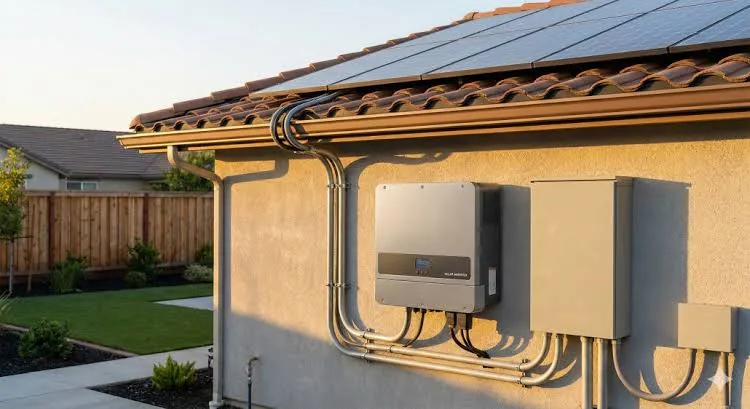
Inverters for residential, commercial and standalone solar systems. We help match manufacturers to the electrical configuration, battery requirements and monitoring functions of your project.
How Greenwire helps you source this product
We help identify manufacturers around your system power, electrical supply, solar-array configuration and battery requirements. We can compare compatibility information, monitoring functions, documentation and warranty terms, and clarify which technical points need confirmation before you select an inverter.
Configurations to consider
Grid-tied string inverters
Convert PV generation for a compatible grid-connected installation.
Hybrid inverters
Manage PV and compatible battery storage within one system.
Off-grid inverters
Supply standalone loads with an appropriate battery and generation configuration.
Microinverters
Module-level conversion for suitable rooftop system designs.
Before you compare suppliers
Understand the product. Make a clearer choice.
How do you choose a solar inverter?
Choose a solar inverter to match the system architecture, PV array and AC connection. Grid-tied, hybrid, off-grid and module-level designs address different needs. The inverter’s power rating is only one starting point: the PV input limits, voltage range, phase arrangement and required operating functions must also suit the installation. An existing module datasheet and system layout help make the supplier enquiry precise.
Will any battery work with a hybrid inverter?
No. A matching nominal voltage does not establish battery compatibility. The inverter manufacturer’s approved battery list can specify exact models, system configurations and firmware versions. Check the intended combination before ordering and confirm the required communications and controls. If backup is part of the project, verify that the proposed combination supports the intended backup operation.
What should be included in an inverter sourcing brief?
Describe the project’s system type, target power, grid voltage and phases, plus the PV array and any battery already selected. Include destination requirements, monitoring preferences and whether backup is needed. Compare quotations for the same model configuration, accessories, documentation and support. This makes it easier to distinguish a lower equipment price from an offer that leaves essential integration items outside its scope.
Let’s find the right suppliers.
Share your project with our team in China. You do not need a finished specification to start.
Mounting systems for roofs, ground installations and solar carports. We help source the right configuration and components around the module layout, site conditions and installation method.
How Greenwire helps you source this product
We help approach mounting-system manufacturers with your module layout, roof or ground conditions, and available site-load information. We compare proposed materials, component coverage and technical assumptions, and identify what still needs confirmation through project-specific design before ordering.
Configurations to consider
Pitched-roof systems
Fixings and rails suited to the roof covering and supporting structure.
Flat-roof systems
Ballasted or mechanically fixed configurations, depending on the roof and design.
Ground-mounted systems
Structures and foundation options for open-land installations.
Solar carport structures
Mounting structures integrated into a parking-area canopy.
Before you compare suppliers
Understand the product. Make a clearer choice.
How do you choose a solar mounting system?
A PV mounting system must suit the supporting surface, module dimensions and site conditions. Pitched roofs, flat roofs, open ground and carports need different attachment and structural arrangements. The roof covering or ground conditions influence the fixing method; the module layout influences rails, clamps and other components. Start with the actual installation rather than a generic price per mounting kit.
Why do wind and snow loads matter for PV structures?
Mounting structures transfer forces from the modules into the roof, foundation or ground. Site conditions and the arrangement of the array affect the design requirements. Relevant project information includes location, building height, roof characteristics and the proposed tilt and layout. A bill of materials is not a substitute for the project’s structural assessment; the design basis and engineering responsibilities should be clear before ordering.
What should a mounting-system quotation include?
A comparable offer identifies the installation layout, materials, module dimensions and the complete component scope. Confirm whether fixings, clamps, rails, connections and any foundation or ballast provisions are included. Drawings and an itemized parts list help buyers check the proposal against the installation plan. For sourcing, quantities, delivery timing and site exposure also help define a meaningful comparison between manufacturers.
Let’s find the right suppliers.
Share your project with our team in China. You do not need a finished specification to start.
Send a product description or link, target quantity and destination. We turn that into a brief and flag the information still needed.
02
Identify potential manufacturers
We look for manufacturers suited to the brief and request relevant product and capability information.
03
Review the options
We help you compare specifications, quotations and supplier information so you can decide which options to pursue.
04
Plan quality checks
Once you select a supplier, we can scope the factory audit, product testing or shipment inspection your order needs.
Beyond the categories above
Your product isn’t listed?
Our sourcing support can extend beyond the categories shown here. Send us your product requirements, quantity and destination market. We’ll review your project and explain how we can help.